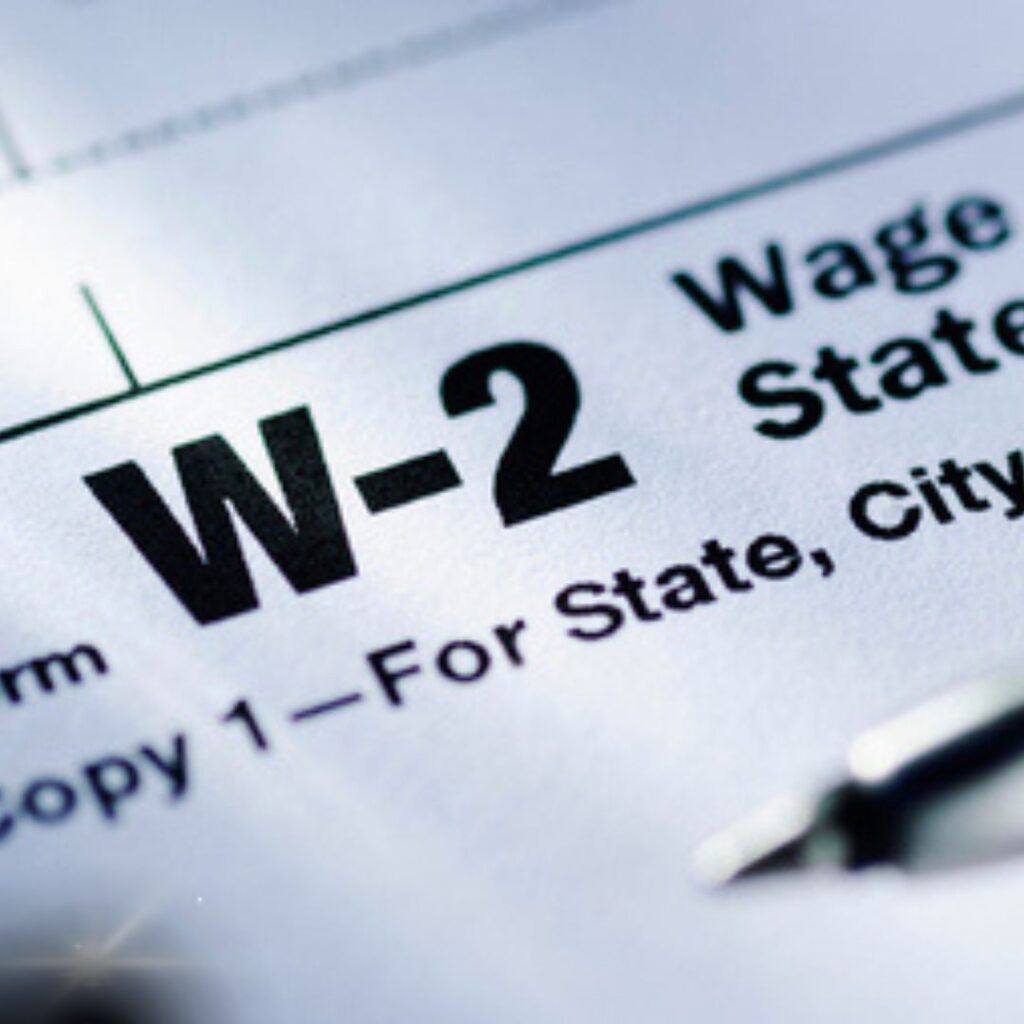
The Secure 2.0 Act and Form W-2

The Secure 2.0 Act allows for features in employer retirement plans to encourage their use. The changes are designed to encourage employees to contribute to 401(k) or 403(b) plans, allowing you to offer small financial incentives to employees. If employers use a little financial motivation, it’s considered part of employees’ income and is subject to […]

Read More… from The Secure 2.0 Act and Form W-2
What Are the New Overtime and HCE Rules?

It’s long been a policy that employees are exempt from the Fair Labor Standards Act’s minimum wage and overtime protections if they are employed in a bona fide executive, administrative or professional capacity. To fall within this EAP exemption, an employee generally must meet three tests, according to the DOL. Be paid a salary, meaning […]

Read More… from What Are the New Overtime and HCE Rules?

Incentive Trusts: Can They Work For You?

Incentive trusts, like other trusts, are established by a grantor who names a trustee and funds the trust with the grantor’s assets. The difference between incentive trusts and other trusts is that distributions are made only when a beneficiary achieves certain contingencies — such as attaining a college degree or getting married — that are […]

Read More… from Incentive Trusts: Can They Work For You?

Tips for a Smoother Merger

The perfect storm is here, combining a disruptive political and economic environment, a generational workplace shift and incredibly quick transformations in technology. Businesses are struggling to keep up with the changes they need to make within the time frame they need to make them. One result of this storm is that companies are more often […]

Read More… from Tips for a Smoother Merger

Emerging Scam Involving Clean Energy Tax Credits

A warning alert by the Internal Revenue Service addresses a new emerging scam involving the purchase of clean energy tax credits. In their recent findings, it appears that there are cases of tax return preparers misrepresenting the rules for claiming clean energy credits under the Inflation Reduction Act (IRA). The transferability provision of the IRS […]

Read More… from Emerging Scam Involving Clean Energy Tax Credits

Educational Assistance Programs: Know the Details

In a world where education expenses keep rising and employers must struggle to attract and retain staff, a Section 127 educational assistance program makes a lot of sense: Workers get the education to help them grow in their careers, and businesses get a well-trained and loyal workforce. The key is knowing how these plans work. […]

Read More… from Educational Assistance Programs: Know the Details

Tax Benefits for Homeowners

What tax deductions, programs and housing allowances are available and unavailable to you, homeowner? Let’s delve into several that the IRS wants you to consider: Deductible house-related expenses — your mortgage may bundle other costs involved in owning a home. Here are some to deduct: State and local real estate taxes, which are subject to […]

Read More… from Tax Benefits for Homeowners

Form 1099-K frequently asked questions (FAQs) revised

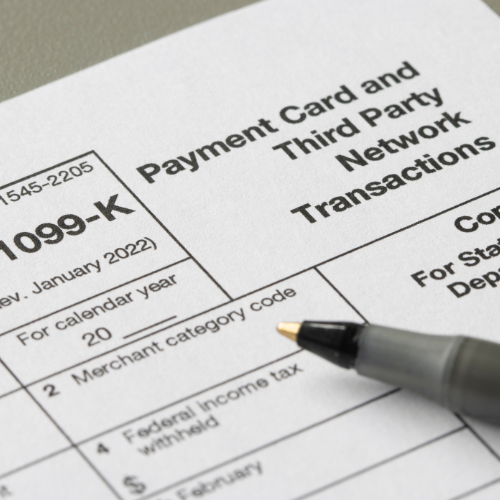
The Internal Revenue Service recently revised its frequently asked questions (FAQs) with almost 50 new or updated ones regarding Forms 1099-K, Payment Card and Third Party Network Transactions, published in fact sheet FS-2024-03. These updates supersede the FAQs published in a March 2023 fact sheet. The revised FAQs include substantial changes for both individual taxpayers and companies […]

Read More… from Form 1099-K frequently asked questions (FAQs) revised

IRS offers guidance on emergency savings accounts

As part of the continued outgrowth of the wide-ranging Secure 2.0 Act of 2022, the Internal Revenue Service has provided initial guidance to assist employers with establishing pension-linked emergency savings accounts (PLESAs) to improve on retirement security. These types of accounts are designed to enhance retirement security by reducing retirement plan leakage, offering additional flexibility to workers […]

Read More… from IRS offers guidance on emergency savings accounts

New Independent Contractor Rules

The Department of Labor’s final rule for employee or independent contractor classification under the Fair Labor Standards Act rescinds the 2021 Independent Contractor Rule, replacing it with guidance on analysis that’s more consistent with the FLSA as interpreted by longstanding judicial precedent, and was scheduled to take effect March 11, 2024. The final rule reduces […]

Read More… from New Independent Contractor Rules

Join our email list.

We’ll deliver accounting insights and advice straight to your inbox.